Unlocking Creativity with Sketchdoodle Regular: A Guide to Playful Typography
In the vast landscape of digital design, typography serves as the voice of visual communication. While serif and sans-serif fonts dominate corporate reports and formal publications, there exists a vibrant niche for typefaces that speak directly to imagination, joy, and informality. Sketchdoodle Regular emerges as a standout candidate in this category, offering a distinct aesthetic that bridges the gap between handwritten charm and digital precision. This hand-drawn typeface is not merely a collection of letters; it is a design tool crafted to evoke whimsy, approachability, and creative energy.
Understanding the nuances of Sketch Doodle requires looking beyond its surface-level cuteness. It is a functional asset for designers, educators, and content creators who need to establish an immediate emotional connection with their audience. By examining its structural characteristics, ideal applications, and psychological impact, we can appreciate why this font has become a go-to resource for projects demanding a lively and informal tone.
The Anatomy of Whimsy: Structural Characteristics
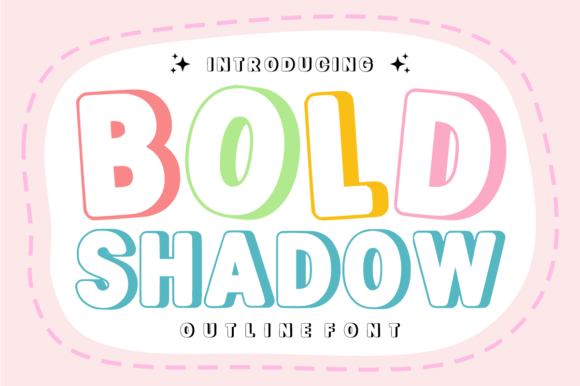
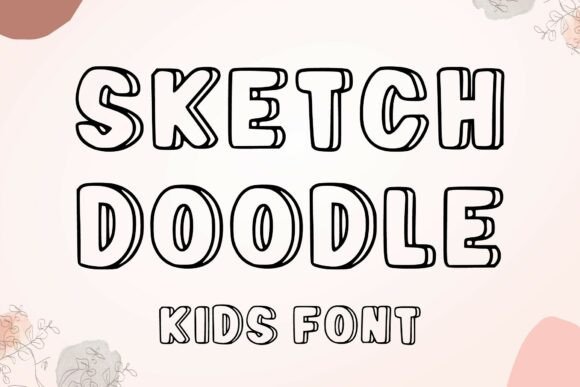
The visual identity of Sketchdoodle Regular is defined by its bold, rounded structure. Unlike rigid geometric fonts, each letterform features sketch-style outlines that mimic the natural variability of a marker or pen. This design choice is intentional, aiming to replicate the human touch in a digital environment. The subtle imperfections in stroke thickness and contouring are not flaws but rather essential features that emphasize a handmade, casual aesthetic.
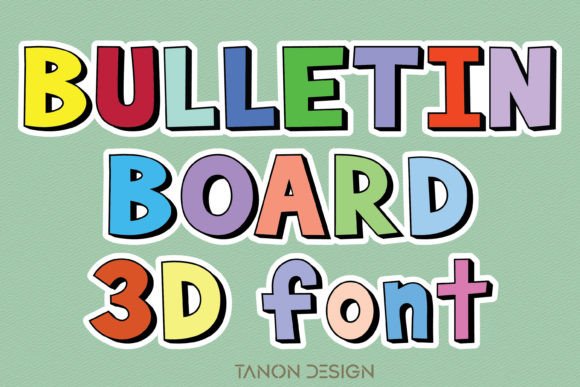
One of the most striking aspects of this typeface is its 3D-like contour effect. This added depth allows the letters to pop off the page, creating a sense of volume and presence without overwhelming the viewer. The outlines are thick enough to be legible even at smaller sizes, yet playful enough to maintain their character. This balance ensures that the font remains functional for reading while retaining its decorative appeal.
Furthermore, the rounded terminals and open counters contribute to high readability. In typography, "friendliness" is often achieved through soft curves rather than sharp angles. Sketch Doodle leverages this principle effectively, making it accessible to readers of all ages, particularly children who are still developing literacy skills. The clarity of the letterforms reduces cognitive load, allowing the reader to focus on the content rather than deciphering the text.
Psychological Impact and Audience Connection
Typography influences how information is perceived. When a viewer encounters Sketchdoodle Regular, the immediate psychological response is one of warmth and accessibility. The cheerful, lighthearted vibe disarms the audience, lowering barriers to engagement. This makes the font particularly effective for contexts where trust and comfort are paramount.
For younger audiences, the font’s quirky sketch lines resonate with their own creative expressions. Children often draw with bold, uneven lines, and seeing similar aesthetics in professional materials validates their artistic instincts. This alignment fosters a sense of familiarity and excitement. For adult audiences, the font invokes nostalgia, reminding them of classroom activities, weekend crafts, and carefree moments. This emotional resonance is a powerful tool for brands and educators aiming to create positive associations.
However, the utility of Sketch Doodle extends beyond mere emotion. Its bold readability ensures that the message remains clear. In educational settings, this dual benefit—engagement and clarity—is crucial. Teachers and instructional designers can use the font to highlight key concepts without sacrificing legibility, ensuring that learning materials are both inviting and effective.
Primary Applications in Educational and Creative Projects
The versatility of Sketchdoodle Regular makes it suitable for a wide array of applications. Its primary strength lies in projects targeting children and families, but its appeal is broad enough to enhance various creative endeavors. Below are some of the most effective use cases for this typeface.
Educational Materials and Classroom Decor
In the classroom, visual aids play a critical role in student engagement. Sketch Doodle is ideal for creating worksheets, activity sheets, and coloring pages. The hand-drawn style encourages students to view learning as a creative process rather than a rigid task. Teachers can use the font for headers on lesson plans, labels for organizational bins, and motivational posters on classroom walls. The 3D contour effect adds a layer of visual interest that captures attention without being distracting.
Moreover, educational publishers can utilize this font in textbooks and workbooks designed for early learners. The friendly appearance reduces anxiety associated with new subjects, making math, science, and language arts feel more approachable. When used in digital learning platforms, the font maintains its charm, providing a consistent user experience across print and screen.
Children’s Literature and Storytelling
Authors and illustrators of children’s books often seek typography that complements their artwork. Sketchdoodle Regular pairs exceptionally well with colorful illustrations, adding a cohesive narrative voice to the text. It works well for dialogue bubbles, chapter titles, and sound effects within the story. The whimsical nature of the font enhances the storytelling experience, helping young readers immerse themselves in the fictional world.
For self-published authors, using a distinctive font like Sketch Doodle can help establish a unique brand identity. It signals to parents and educators that the book is designed with care and attention to the child’s perspective. This attention to detail can significantly impact purchasing decisions in a competitive market.
Event Branding and Party Décor
Birthday invitations, baby showers, and family reunions benefit greatly from the informal tone of Sketchdoodle Regular. The font conveys celebration and fun, setting the expectation for a relaxed and joyful event. Designers can use it for invitation headers, menu cards, and signage. When paired with bright colors and playful graphics, the font creates a cohesive theme that delights guests.
Digital downloads for party planning, such as printable banners and cupcake toppers, also see high demand for this style. Crafters and small business owners on platforms like Etsy often utilize Sketch Doodle to create products that stand out for their handmade quality. The font’s ability to mimic marker strokes makes it perfect for DIY projects where a personal touch is valued.
Implementation Best Practices for Designers
To maximize the effectiveness of Sketchdoodle Regular, designers should consider several best practices. First, context is key. While the font is versatile, it is not suitable for formal documents, legal contracts, or corporate annual reports. Using it in inappropriate contexts can undermine credibility and confuse the audience. Reserve Sketch Doodle for projects where creativity and informality are assets.
Second, pairing is essential. Because Sketchdoodle Regular is highly decorative, it works best when paired with a simple, neutral sans-serif font for body text. This contrast ensures that long passages of text remain easy to read while the headings capture attention. For example, using Sketch Doodle for titles and a clean font like Arial or Helvetica for paragraphs creates a balanced hierarchy.
Third, color selection plays a significant role in how the font is perceived. The 3D contour effect allows for creative color combinations. Designers can experiment with contrasting colors for the fill and outline to enhance depth. However, maintaining sufficient contrast between the text and background is crucial for accessibility. Avoid low-contrast combinations that might make the text difficult to read, especially for users with visual impairments.
Finally, consider the scale. The bold structure of Sketch Doodle means it can hold its own at large sizes, such as on posters and banners. At smaller sizes, ensure that the details of the sketch lines do not become muddy. Testing the font at various sizes during the design process will help determine the optimal usage for each project.
Expanding Reach Through Digital and Physical Media
The adaptability of Sketchdoodle Regular extends to both digital and physical media. In web design, it can be used for hero sections, call-to-action buttons, and blog headers to add personality to a site. When optimized for web use, the font loads quickly and renders clearly across different devices, ensuring a consistent experience for users on smartphones, tablets, and desktops.
In print media, the font’s high resolution ensures crisp edges, whether printed on standard paper, glossy cardstock, or vinyl stickers. Crafters appreciate this versatility, as it allows them to create professional-looking products at home. From custom stickers for laptops to decals for water bottles, Sketch Doodle adds a personalized flair that mass-produced items often lack.
Ultimately, Sketchdoodle Regular is more than just a font; it is a catalyst for creativity. Its ability to convey warmth, joy, and approachability makes it an invaluable tool for anyone looking to connect with their audience on a human level. By understanding its characteristics and applying it thoughtfully, designers, educators, and creators can unlock new possibilities in their work, fostering engagement and inspiration in every project they undertake.