Evaluating the Football Helmet Patch Embroidery Design for Professional Apparel
In the realm of custom apparel and sports branding, the difference between a generic graphic and a professional-grade asset often comes down to texture, dimension, and execution. The Football Helmet Patch Embroidery Design represents a specific category of digital embroidery files engineered to replicate the look and feel of a physical, merrowed patch. Unlike standard flat embroidery designs that rely solely on thread density to create an image, this design utilizes a simulated border technique to achieve a premium, 3D embossed appearance. For professionals in the garment decoration industry, small business owners selling fan gear, or serious hobbyists managing team uniforms, understanding the nuances of this specific design format is essential for delivering high-quality results.
This analysis breaks down the structural characteristics, practical applications, and production considerations of the Football Helmet Patch Embroidery Design, helping you determine if it aligns with your current project requirements.
Structural Characteristics and Visual Appeal
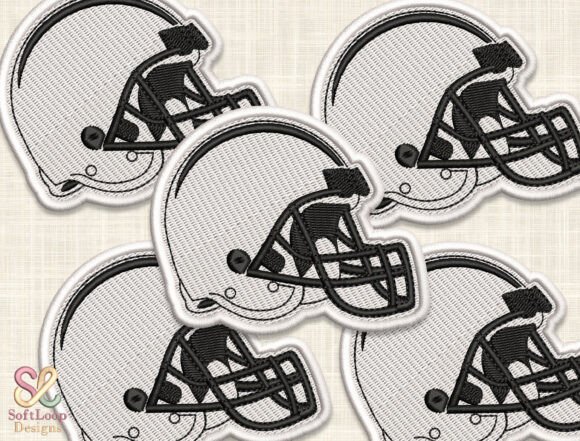
The defining feature of this design is its ability to mimic a traditional woven or embroidered patch without requiring the separate manufacturing step of creating a physical patch and then sewing it onto a garment. The file is constructed with a thick, clean white satin-stitch border that encircles the central motif—a classic football helmet with a detailed face mask. In embroidery terminology, this simulates a "merrowed" edge, which is the overlocked stitching typically found on the perimeter of standalone patches.
The aesthetic relies heavily on a sleek black-and-white color palette. This monochromatic approach offers several advantages:
- Versatility: The lack of team-specific colors allows the design to be universally applied across various schools, leagues, or general sports themes without clashing with existing uniform colors.
- Contrast: The high contrast between the black helmet details and the white border ensures visibility even from a distance, a critical factor for game-day apparel.
- Texture Simulation: The digitizing strategy uses varying stitch angles and densities to create a sense of depth, making the face mask and helmet shell appear raised against the fabric background.
For designers and decorators, the value lies in the "finished" look. When stitched out, the result possesses a tactile quality that flat prints or basic embroidery cannot match. It conveys a sense of permanence and authority, often associated with official team merchandise.
Practical Applications Across Different Sectors
The utility of the Football Helmet Patch Embroidery Design extends beyond simple fan t-shirts. Its professional finish makes it suitable for a wide range of use cases where brand perception matters.
Small Business and Retail Opportunities
Entrepreneurs operating print-on-demand stores or local embroidery shops can leverage this design to create high-margin products. Because the design looks like a premium patch, it justifies a higher price point compared to standard printed tees. It is particularly effective on:
- Hoodies and Sweatshirts: The heavier fabric supports the density of the satin stitching, allowing the 3D effect to stand out without puckering.
- Canvas Tote Bags: A popular item for "Football Moms" and boosters, where a durable, textured logo adds perceived value.
- Jackets and Vests: Placed on the chest or sleeve, the design mimics the look of official league gear.
Team Uniforms and School Spirit
For coaches and athletic directors, consistency is key. Using a standardized digital file ensures that every player's gear looks identical. Whether applied to warm-up jackets, practice jerseys, or spirit wear, the Football Helmet Patch Embroidery Design provides a cohesive visual identity. The detailed face mask adds a level of realism that resonates with athletes, reinforcing the competitive spirit of the gridiron.
Event Merchandising
Organizers of tournaments, camps, or charity games often need quick turnaround times for merchandise. Since this is a digital file ready for immediate stitching, it eliminates the lead time required for ordering physical patches from a third-party manufacturer. This flexibility allows for last-minute customization, such as adding player names or numbers below the helmet motif without disrupting the main design integrity.
Production Considerations and Usability
While the visual output is impressive, successful implementation requires an understanding of embroidery mechanics. The "patch-style" border involves a high density of satin stitches. Satin columns are beautiful but can be prone to pulling if not stabilized correctly.
Stabilization Requirements: To achieve the intended 3D effect without distorting the base garment, using a cut-away stabilizer is generally recommended over tear-away options. The tension from the thick white border needs a permanent foundation to maintain its shape after repeated washing. For stretchy fabrics like performance jerseys, a combination of cut-away stabilizer and a water-soluble topper may be necessary to prevent the stitches from sinking into the knit.
Thread Selection: The design's impact relies on the sheen of the thread. Rayon threads typically offer a higher luster that enhances the "embossed" look, while polyester provides greater durability and colorfastness for items that will undergo frequent industrial laundering. Given the black-and-white scheme, ensuring the white thread is bright and opaque is crucial; low-quality white thread can appear gray or translucent against dark fabrics, diminishing the contrast.
Sizing Flexibility: One limitation to consider is the minimum viable size. Because the face mask contains fine details and the border has a specific thickness, resizing the design too small can cause the stitches to merge, losing the definition of the mask bars. Conversely, enlarging the design significantly may require adjusting the stitch density to prevent the patch from becoming too stiff or heavy for the garment. Most professional digitizations of this type include multiple size formats (e.g., 2-inch, 4-inch, 6-inch) to mitigate this issue.
Long-Term Value and Durability
From a consumer perspective, the longevity of the design is a major selling point. Embroidery is inherently more durable than screen printing or heat transfer vinyl. The threads used in the Football Helmet Patch Embroidery Design are resistant to fading, cracking, and peeling. The merrowed-edge simulation adds an extra layer of protection to the perimeter, preventing fraying over time.
For the end-user, this means the apparel retains its "new" look longer, which enhances customer satisfaction and brand loyalty. For the producer, it reduces the likelihood of returns or complaints regarding quality degradation. In an era where sustainability and product lifespan are increasingly important to consumers, offering a durable, embroidered option aligns with broader market trends.
Who Benefits Most from This Design?
This specific asset is best suited for individuals and businesses that prioritize quality and professionalism over speed and lowest-cost production. It is an ideal fit for:
- Professional Embroiderers: Those who own multi-head machines and need reliable, well-digitized files that run efficiently with minimal breakage.
- Sports Marketers: Agencies creating merchandise packages for teams that need a versatile, non-team-specific icon that still screams "football."
- Educators and Coaches: Individuals looking to create distinct, high-quality spirit gear that fosters team unity without the expense of custom woven labels.
- Content Creators: Bloggers or influencers in the sports niche who sell limited-run merchandise and need designs that photograph well due to their texture and depth.
However, it may not be the right choice for projects requiring ultra-fast production on delicate, thin fabrics where the weight of the stitching could cause sagging. Additionally, if a project demands full-color photographic realism, this stylized, two-tone approach would not meet those artistic needs.
Final Assessment
The Football Helmet Patch Embroidery Design stands out as a robust, versatile tool in the digital embroidery landscape. Its strength lies in the clever simulation of a physical patch, offering a premium aesthetic through smart digitizing techniques rather than complex manufacturing processes. The black-and-white palette ensures broad applicability, while the detailed construction appeals to purists who appreciate the intricacies of the sport.
When paired with the right materials and stabilization methods, this design delivers a professional finish that elevates standard apparel into collectible gear. For anyone looking to bridge the gap between amateur enthusiasm and professional presentation, integrating this design into their workflow offers a reliable path to high-quality outcomes. It is a testament to how thoughtful digital design can replicate tangible quality, providing lasting value for both the creator and the wearer.